Charging a China-spec EV in Europe: GB/T adapters, real DC speeds and limits
Old German forum threads still warn that a China-market EV can never use European rapid chargers. By 2026 the truth is more nuanced, and slower than the brochure promises.
By the Chinese Cars Europe editorial desk5 min read
Reported by Chinese Cars Europe from verified 2026 factory specs, EU customs rules and European owner reports.
Key takeaway
Cars built for China use separate GB/T AC and DC sockets rather than Europe's combined CCS2 inlet. Active CCS2-to-GB/T adapters now allow European rapid charging, with reported owner speeds ranging from 90 kW to 250 kW depending on the car, adapter and charger firmware. Slow AC charging works reliably through a passive Type 2 adapter.
Why Chinese sockets do not fit European cables
Official European versions of BYD, Xpeng, Zeekr and MG ship with standard European Type 2 / CCS2 sockets. Only cars originally manufactured for mainland China carry GB/T inlets.
A China-spec car has two distinct ports: one for alternating current (AC, typically single-phase on many Chinese models) and a second larger socket for direct current (DC) fast charging.
What active CCS2-to-GB/T adapters cost and deliver in 2026
Unlike simple AC plug adapters, DC fast charging requires an active electronic bridge that translates digital communication protocols between European CCS2 chargers and the Chinese battery management system. Direct-import platforms price these DC adapters around 990 USD, alongside roughly 400 USD for AC adapters.
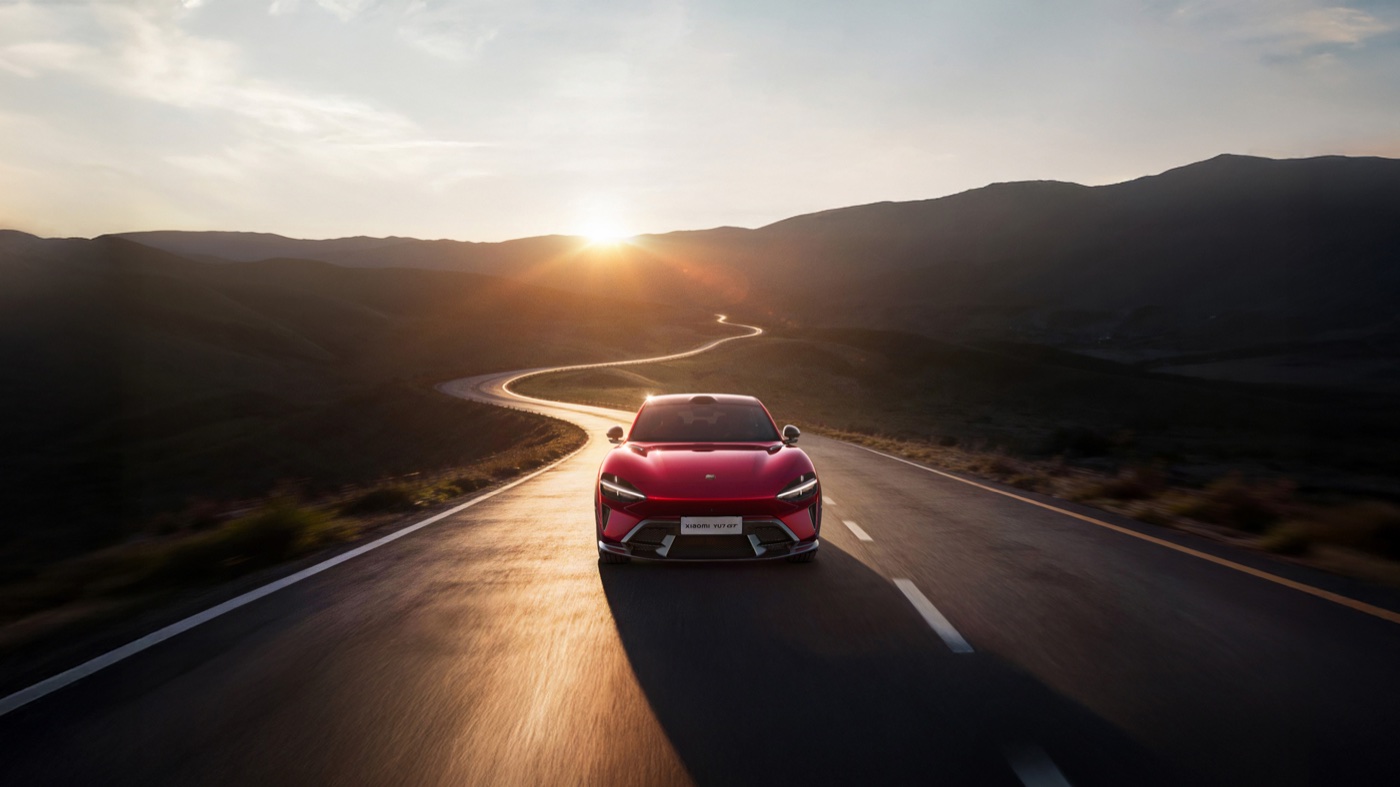
Published owner and forum reports in 2025 and 2026 show wide real-world variation: a Polish owner of a China-market Xiaomi YU7 Max reported DC charging up to 250 kW through an adapter, while Dutch forum reports on other imports cite 90 kW to 120 kW caps. Never count on peak Chinese 5C charging curves through an adapter.
Full CCS2 socket conversions versus adapters
Some specialist importers replace the GB/T hardware with a permanent CCS2 port before individual vehicle approval. A cleanly engineered conversion removes the hassle of carrying a bulky adapter every day and improves resale confidence, provided the technical approval service inspects and accepts the modification.
Four charging questions to ask before signing an order
Confirm in writing whether your car arrives with CCS2 or GB/T sockets, whether both AC and active DC adapters are included in the landed price, what AC phase limit (single-phase 7 kW vs three-phase 11 kW) applies on your home wallbox, and whether the DC adapter has been tested on Ionity, Tesla Supercharger and local networks.